
la biblioteca de la medianoche pdf
The Midnight Library PDF: A Comprehensive Guide (Updated 04/07/2026)
Published on November 13, 2023, this guide offers insights into accessing “The Midnight Library” in PDF format. We’ll explore legal sources, potential risks, and details surrounding its copyright and publication history.
What is “The Midnight Library”?
“The Midnight Library,” penned by Matt Haig, is a captivating novel published in 2020 by Canongate Books. It’s a thought-provoking exploration of life, regret, and the myriad possibilities that exist within each of us. The story centers around Nora Seed, who finds herself facing a crisis and is presented with a unique opportunity: to revisit moments in her life and explore alternative paths she didn’t take.
This isn’t simply a fantastical journey; it’s a deeply philosophical one. The novel delves into existential themes, questioning the nature of happiness and the weight of choices. Nora’s experiences within the Midnight Library – a space between life and death – allow her to inhabit different versions of her life, each stemming from a different decision.
The book quickly gained popularity, resonating with readers who grapple with their own “what ifs.” It’s a story about finding value in life, even amidst hardship, and learning to root for oneself. The PDF format has become a popular way to access and enjoy this compelling narrative, though caution is advised regarding source legitimacy, as we will discuss later.
The Author: Matt Haig and His Other Works
Matt Haig is a prolific British author known for his diverse range of works spanning fiction, non-fiction, and children’s literature. Before achieving widespread recognition with “The Midnight Library,” Haig established himself as a compelling storyteller with titles like “The Last Family in England” and “The Humans.” His writing often tackles themes of mental health, existentialism, and the human condition, frequently drawing from his own personal experiences.

Beyond novels, Haig has penned insightful non-fiction books such as “Reasons to Stay Alive,” a deeply personal and honest account of his battle with depression, and “Notes on a Nervous Planet,” exploring the anxieties of modern life. He’s also ventured into children’s literature with the “A Boy Called Christmas” series, showcasing his versatility as an author.
His broader catalog includes “The Dead Fathers Club,” “The Radleys,” and “How to Stop Time,” demonstrating a consistent exploration of unique concepts and relatable characters. Haig’s ability to blend philosophical depth with accessible storytelling has garnered him a dedicated readership and critical acclaim, paving the way for the success of “The Midnight Library.”
Understanding the Core Concept: Rooting for Yourself
At the heart of “The Midnight Library” lies a powerful message: the importance of rooting for yourself, even when life feels overwhelming and filled with regret; The novel explores the idea that every choice creates a different potential life, and that even paths not taken hold value in shaping who we are.
Nora Seed, the protagonist, is given the opportunity to experience these alternate realities, confronting the consequences of decisions she wishes she’d made differently. However, she discovers that a “perfect” life is often an illusion, and that happiness isn’t necessarily found in achieving specific outcomes.
The core concept challenges readers to examine their own regrets and consider the possibility that their current lives, with all their imperfections, are worth cherishing. It’s a poignant reminder that self-compassion and acceptance are crucial for finding meaning and fulfillment. Ultimately, the novel advocates for embracing the messy, unpredictable journey of life and actively choosing to support your own well-being.
The PDF Format and Accessibility
The PDF (Portable Document Format) version of “The Midnight Library” offers several advantages for readers. Published digitally in 2020 by Canongate Books Ltd, PDFs maintain the original formatting of the book, ensuring a consistent reading experience across various devices – computers, tablets, and smartphones.
Accessibility features are a key benefit. PDFs can be easily adjusted for different screen sizes and can be read using screen readers, making the novel accessible to visually impaired individuals. Many PDF readers also allow for text highlighting, note-taking, and searching, enhancing comprehension and engagement.

However, PDF accessibility depends on the file’s creation. A well-structured PDF will be fully searchable and compatible with assistive technologies. Conversely, a poorly formatted PDF might present challenges. Ensuring you obtain a legitimate PDF copy from a trusted source, as discussed later, is crucial for optimal accessibility and reading quality.
Where to Find a Legal PDF Copy
Obtaining a legal PDF copy of “The Midnight Library” supports the author, Matt Haig, and the publisher, Canongate Books Ltd. Several legitimate avenues exist for purchasing the digital edition. Major ebook retailers like Amazon Kindle, Apple Books, and Google Play Books offer the PDF version for sale.
Directly purchasing from the Canongate Books website (canongate.co.uk) guarantees a legitimate copy and often supports the publisher directly. Libraries frequently offer ebooks, including PDFs, for borrowing through platforms like OverDrive or Libby. Check your local library’s digital collection for availability.
Subscription services such as Scribd may also include “The Midnight Library” in their catalog. Always verify the source’s legitimacy before making a purchase or download. Avoid websites offering free PDF downloads, as these are often illegal and may contain malware. Prioritizing legal sources ensures a safe and ethical reading experience.
Potential Risks of Downloading from Unofficial Sources
Downloading “The Midnight Library” PDF from unofficial sources presents significant risks. These websites often distribute pirated copies, violating Matt Haig’s copyright (© Matt Haig, 2020) and Canongate Books Ltd’s publishing rights. Supporting these sites undermines the author’s livelihood and the publishing industry.

More critically, these downloads frequently contain malware, viruses, and other malicious software. These can compromise your device, steal personal information, and lead to identity theft. Unofficial PDFs may also be poorly formatted, incomplete, or contain errors, diminishing your reading experience.

Furthermore, accessing copyrighted material illegally carries legal consequences, though enforcement varies. Prioritize your digital security and ethical considerations by opting for legitimate sources. Remember, a free PDF from an untrusted source is rarely worth the potential damage to your device or personal data. Protect yourself and support authors by choosing legal avenues for accessing “The Midnight Library.”
Synopsis: Nora Seed’s Journey
“The Midnight Library,” first published in Great Britain in 2020 by Canongate Books Ltd, centers on Nora Seed, a woman overwhelmed by regret and facing a life she perceives as filled with failures. Feeling utterly hopeless, Nora attempts suicide, but instead of oblivion, she finds herself in the Midnight Library.
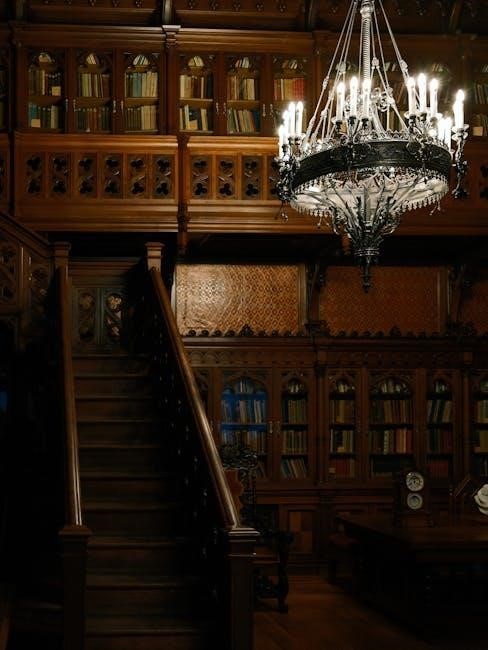
This unique library exists between life and death, holding countless books, each representing a different life Nora could have lived, based on different choices she made. Guided by Mrs. Elm, the librarian, Nora is given the opportunity to step into these alternative realities.
She explores lives where she pursued her dreams of being a glaciologist, a rock star, an Olympic swimmer, and more. Through these experiences, Nora confronts the consequences of her decisions and begins a profound journey of self-discovery, grappling with questions of purpose, happiness, and what truly makes a life worth living. The novel explores if a perfect life truly exists.
Key Themes Explored in the Novel
“The Midnight Library” delves into several profound themes, resonating deeply with readers. Regret is central, as Nora navigates lives shaped by “what ifs,” questioning the paths not taken. The novel powerfully examines the weight of choices and the human tendency to dwell on past mistakes.
Mental health is another crucial theme, portraying Nora’s struggles with depression and feelings of inadequacy. The book sensitively explores the impact of these challenges and the importance of seeking help. The search for meaning and purpose drives Nora’s journey, as she seeks a life that feels fulfilling.
Furthermore, the novel contemplates the nature of happiness, challenging conventional notions of success and demonstrating that contentment isn’t necessarily tied to external achievements. Ultimately, “The Midnight Library” champions self-acceptance and the importance of rooting for oneself, even amidst life’s complexities.
The Philosophical Underpinnings: Existentialism and Regret
“The Midnight Library” is deeply rooted in existentialist philosophy, particularly the concepts of free will, responsibility, and the search for meaning in a seemingly absurd universe. Nora’s ability to experience alternate lives directly confronts the existential idea that we define our own essence through our choices.
The novel’s exploration of regret aligns with existential thought, which acknowledges regret as an inherent part of the human condition. The book doesn’t offer easy answers or suggest that avoiding regret is possible, but rather encourages confronting it and finding value in the present moment.
References within the text, such as excerpts from Sylvia Plath and Bertrand Russell, subtly reinforce these philosophical undercurrents. The narrative prompts readers to consider their own values and the authenticity of their lives, mirroring the core tenets of existentialism. It’s a meditation on life, death, and the choices that shape our individual realities.
Character Analysis: Nora Seed
Nora Seed is a complex and deeply relatable protagonist grappling with profound feelings of inadequacy and regret. Initially presented as overwhelmed and disillusioned, her journey through the Midnight Library reveals layers of vulnerability and untapped potential. She embodies the universal human experience of questioning life choices and wondering “what if?”

Her character arc isn’t about finding a perfect life, but about learning to appreciate the imperfections and complexities of her own. Nora’s exploration of alternate realities allows her to confront her regrets and understand the interconnectedness of her decisions.
Throughout the novel, Nora demonstrates resilience and a growing self-awareness. She isn’t inherently exceptional in any single life, highlighting the idea that meaning isn’t found in grand achievements, but in the simple act of living and connecting with others. Her ultimate choice reflects a hard-won acceptance of herself and her life, flaws and all.

Critical Reception and Awards
“The Midnight Library” garnered significant attention upon its first publication in Great Britain in 2020 by Canongate Books Ltd, receiving largely positive reviews from critics and readers alike. Praised for its poignant exploration of existential themes and relatable protagonist, the novel quickly became a bestseller.
Reviewers frequently highlighted Matt Haig’s skillful handling of complex philosophical concepts, making them accessible and emotionally resonant. The book’s message of hope and self-acceptance resonated deeply with audiences, particularly during a period of global uncertainty.
While specific award details aren’t readily available in the provided source material, the novel’s widespread popularity and critical acclaim suggest it was a strong contender for various literary prizes. Its commercial success and enduring appeal demonstrate its impact on contemporary literature, solidifying Haig’s position as a prominent voice in modern fiction.
The Novel’s Impact on Readers
“The Midnight Library” has demonstrably resonated with a broad readership, sparking conversations about life choices, regret, and the search for meaning. Many readers have shared personal stories of how the novel prompted self-reflection and a re-evaluation of their own paths.
The book’s central premise – exploring alternative lives – offers a comforting and thought-provoking framework for grappling with “what ifs.” This has been particularly impactful for individuals facing difficult transitions or struggling with mental health challenges, aligning with Haig’s previous work like “Reasons to Stay Alive.”
The novel’s accessibility, combined with its profound themes, has contributed to its widespread appeal. It’s become a popular book club selection and a frequent recommendation for those seeking uplifting and emotionally engaging literature. Published in 2020 by Canongate Books Ltd, its continued relevance speaks to the universality of its message.
Exploring Similar Books and Authors
Readers captivated by “The Midnight Library’s” exploration of alternate realities and existential themes may find resonance in works by other authors. Blake Crouch’s “Dark Matter” and “Recursion” delve into similar concepts of parallel universes and the consequences of altered choices.

For those drawn to Matt Haig’s empathetic approach to mental health, his other novels – including “Reasons to Stay Alive” and “Notes on a Nervous Planet” – offer further insight into his writing style and thematic concerns. These books, like “The Midnight Library”, first published in Great Britain in 2020, often blend personal experience with philosophical inquiry.
Additionally, novels like “Replay” by Ken Grimwood and “Life After Life” by Kate Atkinson explore the possibilities of reliving life and the impact of different decisions. These narratives, while distinct, share a common thread of questioning the nature of fate and free will, mirroring the core of Haig’s work.
The Publication History and Copyright Information
“The Midnight Library” first published in Great Britain in 2020 by Canongate Books Ltd, located at 14 High Street, Edinburgh EH1 1TE, and is available at canongate.co;uk. This digital edition also debuted in 2020 through Canongate Books.
The copyright for this work is held by Matt Haig, as asserted under the Copyright, Designs and Patents Act of 1988. Any unauthorized reproduction or distribution of the PDF constitutes a violation of copyright law.
The novel includes excerpts from “The Unabridged Journals of Sylvia Plath,” used with permission from Anchor Books and Faber and Faber Ltd., and “Marriage and Morals” by Bertrand Russell, reproduced with permission from Taylor. These inclusions are subject to their respective copyrights.
Readers should be aware that the publisher retains all rights to the work, and distribution is governed by legal agreements. Obtaining a PDF from unofficial sources may infringe upon these rights and carry associated risks.
Frequently Asked Questions About the PDF
Is it legal to download a PDF of “The Midnight Library”? Accessing a PDF through official, authorized channels is legal. Downloading from unofficial sources often violates copyright laws and poses security risks.

Where can I find a legitimate PDF copy? Currently, a freely available, fully legal PDF isn’t widely distributed by the publisher. Purchasing the ebook through authorized retailers is the recommended method.
What are the risks of downloading from unofficial websites? Unofficial sources may contain malware, viruses, or compromised versions of the file. These downloads can harm your device and compromise your personal information.
What format is the official ebook available in? The ebook is available in various formats compatible with most e-readers, including EPUB and others. Check retailer specifications.
Is the PDF version identical to the physical book? While content is the same, formatting differences may exist. The PDF may lack some design elements present in the physical edition.
Analyzing Quotes from “The Midnight Library”
“It is always worth it to try.” This sentiment, central to Nora Seed’s journey, highlights the novel’s core message of self-worth and the value of perseverance, even amidst regret.
“Every life contains a multitude of possibilities.” The Midnight Library itself embodies this quote, offering Nora countless alternate realities to explore, demonstrating the ripple effect of choices.
“The problem with regret is that it only focuses on what you didn’t do.” Haig masterfully explores the paralyzing nature of regret, contrasting it with the potential for growth and acceptance.
“Human beings are not defined by their successes, but by their ability to cope with failure.” This quote underscores the importance of resilience and self-compassion in navigating life’s challenges.
“Sometimes, all you need is to be reminded of what you already know.” Nora’s experiences within the library ultimately lead her back to appreciating the life she initially dismissed, revealing inherent value.
These quotes, extracted from the text, reveal the novel’s profound exploration of existential themes and the human condition.