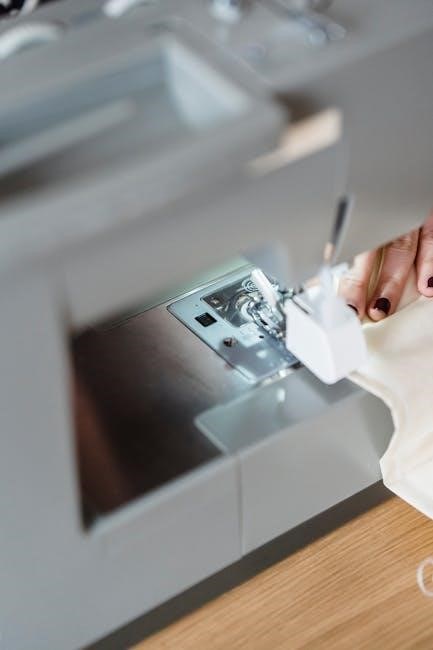
singer sewing machine instruction manual free download
Singer Sewing Machine Instruction Manual Free Download: A Comprehensive Guide
Discover readily available Singer sewing machine manuals, offering essential guidance for operation, maintenance, and repair – a valuable resource for both novice and experienced users!
Understanding Singer Sewing Machine Models
Singer boasts a rich history, producing a vast array of sewing machine models over decades. Each model, from vintage classics like the 99K to modern computerized machines, possesses unique features and operational nuances. Consequently, accessing the correct instruction manual is paramount for optimal performance and longevity.
Understanding model numbers – often found on a plate affixed to the machine – is the first step in locating the appropriate documentation. Different series (e.g., 201, 66, 99) require specific manuals detailing their individual mechanisms. Recognizing these distinctions ensures accurate threading, stitch selection, and troubleshooting procedures. A comprehensive guide will help navigate the complexities of each Singer machine, maximizing its sewing potential.
Popular Models and Manual Availability
Certain Singer models consistently rank high in popularity, driving demand for their instruction manuals. The Singer 99K, renowned for its durability and versatility, is frequently sought after. Similarly, the Singer 201 and 66 models remain favorites among vintage sewing enthusiasts.
Fortunately, manuals for these – and many other – popular models are often available for free download. Online archives and dedicated forums host a wealth of resources. However, availability can vary. Newer computerized models generally have readily accessible digital manuals, while older machines may require searching through scanned copies or relying on community contributions. Persistence is key to finding the right guide!
Singer Model 99K: A Detailed Look
The Singer 99K, a cornerstone of vintage sewing machines, boasts a robust construction and a unique under-bed shuttle system. Its manual, often available as a downloadable PDF, details this mechanism alongside threading instructions and stitch regulation. Understanding the 99K’s manual is crucial for maintaining its smooth operation.
A comprehensive guide will illustrate parts identification, enabling users to confidently address repairs. The manual also covers bobbin winding, tension adjustments, and troubleshooting common issues specific to this model. Finding a well-preserved or digitally restored manual unlocks the full potential of this iconic machine, ensuring years of reliable service.

Locating Free Downloadable Manuals
Fortunately, numerous online resources offer free Singer sewing machine manuals. Begin with the official Singer website, which often hosts archived manuals for older models. Explore third-party archive websites dedicated to preserving vintage documentation; these frequently contain scanned copies of original manuals.
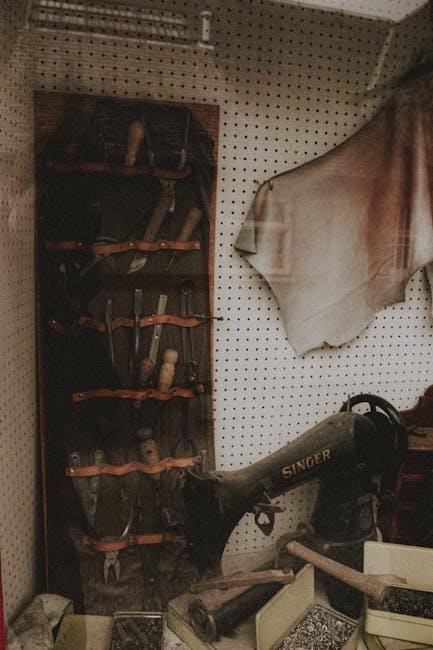
Online sewing forums and communities are invaluable, as members often share downloadable manuals and provide links to helpful resources. Searching specifically for “Singer [model number] manual PDF” yields targeted results. Remember to verify the manual’s authenticity and ensure it corresponds to your machine’s specific variant for accurate guidance.
Official Singer Website Resources
Singer’s official website remains a primary source for downloadable manuals. Navigate to their support or customer care section, and utilize the search function, inputting your machine’s model number. While comprehensive archives aren’t always available, newer models consistently have accessible digital manuals.

The website may also offer troubleshooting guides and FAQs that complement the full manual. Registration might be required to access certain resources. Regularly check the site for updates, as Singer occasionally adds previously unavailable manuals to their online library. This ensures you’re accessing the most current and accurate information directly from the manufacturer.
Third-Party Archive Websites

Numerous websites specialize in archiving vintage and current manuals, offering a wealth of Singer resources. Sites like ManualsLib and similar platforms often host scanned copies of instruction books uploaded by users. These archives can be invaluable for locating manuals for older, discontinued models not readily available on the official Singer website.
However, exercise caution when downloading from these sources; verify file safety with antivirus software. Search using the precise model number for accurate results. While convenient, the quality of scans may vary, and some sites may contain advertisements. Always cross-reference information when possible.
Online Forums and Communities
Dedicated online sewing communities and forums are excellent resources for finding Singer sewing machine manuals. Platforms like SewingOnline and similar enthusiast groups often have dedicated threads or sections where members share downloadable manuals or provide links to them.
These communities also offer the benefit of direct assistance; you can ask specific questions about your model and receive guidance from experienced users. Many members have amassed extensive collections of manuals and are willing to share them. Remember to respect forum rules and contribute back to the community when possible.
Manual Contents: What to Expect
A comprehensive Singer sewing machine manual typically begins with crucial safety precautions and guidelines, ensuring user well-being during operation and maintenance. Expect detailed illustrations and descriptions of each machine part, facilitating easy identification and understanding of its function.
Further sections cover threading procedures, bobbin winding techniques, and stitch selection guidance. Troubleshooting tips for common issues like needle breakage or tension problems are also standard. Advanced techniques, such as buttonhole creation and zipper insertion, often have dedicated sections, alongside maintenance schedules for optimal performance.
Safety Precautions and Guidelines
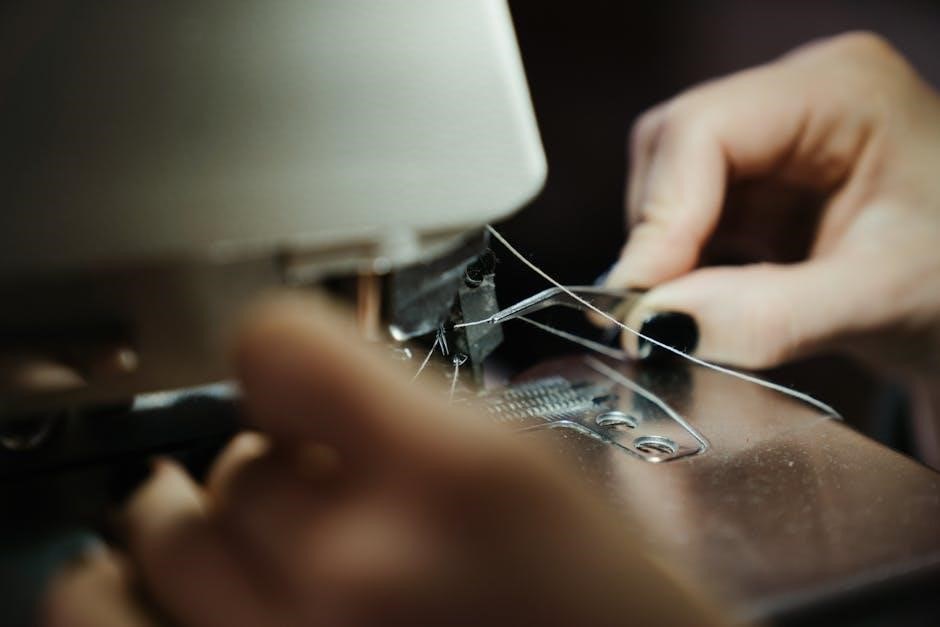
Prioritizing safety is paramount when operating a Singer sewing machine. Manuals emphasize keeping fingers away from moving parts, like the needle and presser foot, to prevent injuries. Always disconnect the power source before performing maintenance or changing parts. Never force the machine; allow it to operate at its intended pace.
Proper lighting is crucial for clear visibility, reducing eye strain and potential errors. Avoid using the machine if the cord or plug is damaged. Supervise children closely when they are near the sewing machine, and store it securely when not in use. Following these guidelines ensures a safe sewing experience.
Machine Parts Identification
Singer sewing machine manuals provide detailed diagrams illustrating each component. Key parts include the power switch, handwheel, needle clamp, presser foot, feed dogs, bobbin winder, tension discs, and stitch length dial. Understanding the function of each part is crucial for operation and maintenance.
Manuals often label the bobbin case, shuttle hook, and various screws used for adjustments. Familiarizing yourself with these components allows for easier troubleshooting and repairs. Identifying parts correctly ensures you can follow instructions accurately and perform tasks like threading or changing the needle with confidence. Detailed illustrations are a core feature.
Basic Sewing Machine Operation
Mastering the fundamentals begins with understanding core operations. A Singer manual guides you through powering the machine, safely operating the handwheel, and selecting basic stitch types. Proper setup is paramount; manuals detail how to correctly install the needle and thread the machine, step-by-step.
Essential skills include winding the bobbin evenly and inserting it correctly. Learning to adjust stitch length and width allows for versatile sewing. Manuals emphasize the importance of test sewing on scrap fabric before starting a project, ensuring correct tension and stitch formation. Practice makes perfect!
Threading the Machine
Accurate threading is crucial for smooth sewing. Your Singer manual provides detailed diagrams illustrating the precise path the thread must follow, from the spool pin to the needle. It emphasizes lifting the presser foot before threading, ensuring proper tension. Following the numbered sequence prevents skipped stitches and thread breakage.
Pay close attention to thread guides and tension discs; incorrect placement disrupts the flow. The manual clarifies how to thread the needle eye correctly, depending on your machine model. Regularly check for lint or debris obstructing the thread path. A properly threaded machine is the foundation of successful sewing!

Winding the Bobbin
Consistent bobbin winding is essential for balanced stitch quality; Your Singer manual details the process, starting with placing the spool on the pin and guiding the thread to the bobbin winder. It highlights the importance of engaging the bobbin winder mechanism correctly, ensuring even distribution of thread.

The manual specifies the correct bobbin type for your model and demonstrates how to achieve proper tension during winding. Avoid overfilling the bobbin, which can cause issues. Disengaging the winder when full prevents motor strain. A well-wound bobbin contributes significantly to consistent, professional-looking stitches!
Stitch Selection and Adjustment
Mastering stitch selection unlocks your Singer’s creative potential. The instruction manual provides a detailed overview of each stitch, including its purpose and recommended uses – from straight stitches for basic seams to zigzag for finishing edges. Learn to adjust stitch length and width for varied effects.
Understanding tension settings is crucial; the manual guides you through balancing upper and bobbin thread tension for optimal stitch formation. Incorrect tension leads to looping or puckering. Experiment with test fabrics to fine-tune settings. Your manual is the key to achieving professional results and exploring diverse stitching options!
Troubleshooting Common Issues
Encountering problems? Your Singer manual is your first line of defense! It systematically addresses frequent issues like needle breakage, often caused by incorrect needle size or threading. Thread jamming is also covered, detailing how to clear lint and re-thread correctly.
Tension problems, resulting in uneven stitches, receive dedicated attention, guiding you through adjustments. The manual emphasizes safety precautions during troubleshooting. Don’t attempt repairs beyond your skill level; consult a qualified technician if needed. A well-maintained machine, guided by the manual, minimizes these frustrations!
Needle Breakage
Frequent needle breakage is a common frustration, but your Singer manual provides clear solutions. It details the importance of using the correct needle type and size for your fabric weight. Incorrect threading is a primary cause, so carefully review the threading diagrams.

The manual also highlights the need to ensure the needle is fully inserted and properly aligned. Avoid forcing the fabric; let the machine feed it naturally. Bent or damaged needles must be replaced immediately. Regularly inspecting your needle prevents unexpected breaks and ensures smooth sewing!
Thread Jamming
Thread jamming often signals a problem with the threading path, as detailed in your Singer manual. Ensure the thread is correctly seated in the tension discs and smoothly flowing through all guides. Lint and debris accumulation is a frequent culprit; regular cleaning, as outlined in the maintenance section, is crucial.
Incorrect bobbin winding or insertion can also cause jams. Verify the bobbin is wound evenly and inserted correctly. Using the wrong type of thread or a dull needle exacerbates the issue. Refer to your manual’s troubleshooting guide for specific jam locations and solutions!
Tension Problems
Incorrect thread tension results in looping, puckering, or weak seams – issues addressed in your Singer manual. Begin by re-threading the upper thread, ensuring it’s properly seated in the tension discs. Adjust the tension dial incrementally, testing on scrap fabric after each change. Bobbin tension also plays a vital role; avoid over-tightening.
Different fabric weights require tension adjustments. Consult your manual’s chart for recommended settings. Using mismatched thread types or a dull needle can mimic tension problems. Regularly cleaning the tension assembly, removing lint and debris, is essential for smooth operation.
Advanced Techniques & Manual Sections
Unlock your Singer’s full potential with advanced techniques detailed in the manual. Master buttonhole creation, utilizing the buttonhole foot and adjusting settings for different button sizes – a section often illustrated step-by-step. Zipper insertion, from standard to invisible zippers, is thoroughly explained, covering foot selection and stitch guidance.
Explore decorative stitching options, enhancing projects with unique designs. The manual showcases stitch patterns and provides guidance on adjusting width and length. Learn about specialized feet for techniques like quilting or embroidery. These sections empower you to move beyond basic sewing, creating professional-quality results.
Buttonhole Creation
The manual dedicates a crucial section to buttonhole creation, a frequently utilized advanced technique. It details selecting the appropriate buttonhole foot for your Singer model, ensuring proper alignment and stitch formation. Clear illustrations guide users through setting the buttonhole width and length, customized to match the button size.
Step-by-step instructions explain the buttonhole process, including starting and ending securely. Troubleshooting tips address common issues like uneven stitches or fabric puckering. Mastering buttonholes elevates garment construction, providing a professional finish. The manual emphasizes practice and careful adjustment for optimal results, transforming a complex task into an achievable skill.
Zipper Insertion
The Singer manual provides detailed guidance on zipper insertion, covering various techniques for different zipper types – standard, invisible, and decorative. It illustrates selecting the correct presser foot, crucial for achieving a professional finish. Step-by-step instructions explain preparing the fabric and zipper, ensuring accurate alignment and smooth operation.
The manual clarifies techniques for both centered and lapped zippers, with diagrams showcasing proper stitching lines. Troubleshooting tips address common challenges like uneven zipper teeth or fabric bunching. Mastering zipper insertion significantly enhances project quality, adding a functional and polished element to garments and accessories. Practice and precision are key, as highlighted within the manual.
Decorative Stitching
Singer manuals unlock a world of creative possibilities with decorative stitching! They detail each stitch pattern available on your model, explaining its ideal applications – embellishing garments, creating monograms, or adding unique borders. The guide clarifies selecting the appropriate stitch width and length for desired effects, alongside recommended stabilizer usage.
Illustrations demonstrate how to properly thread the machine and adjust tension for optimal decorative stitch performance. Troubleshooting sections address issues like skipped stitches or uneven patterns. Experimentation is encouraged, allowing users to personalize projects with distinctive flair. Mastering decorative stitching elevates sewing beyond functionality, transforming creations into artistic expressions.
Maintaining Your Singer Sewing Machine
Your Singer sewing machine’s longevity depends on consistent maintenance, detailed within the instruction manual. Regular cleaning removes lint and debris, preventing jams and ensuring smooth operation. The manual specifies appropriate cleaning tools and techniques, emphasizing safety precautions. Oiling designated parts, as illustrated, minimizes friction and wear, extending the machine’s lifespan.
A maintenance schedule outlines tasks for different usage levels – light, medium, and heavy. This proactive approach prevents costly repairs. The manual also covers proper storage, protecting the machine from dust and damage. Following these guidelines guarantees years of reliable performance, preserving your investment and creative outlet.
Cleaning and Oiling
The Singer manual stresses regular cleaning to remove lint, dust, and oil buildup, crucial for optimal performance. Use a soft brush or lint remover, focusing on the bobbin area and feed dogs. Avoid compressed air, which can push debris deeper inside. Oiling specific points – indicated in the manual’s diagrams – minimizes friction and prevents wear.
Employ only Singer-recommended sewing machine oil; other lubricants can cause damage. Apply oil sparingly to the designated areas, wiping away any excess. Consistent cleaning and oiling, as per the manual’s instructions, ensure smooth operation, prevent jamming, and prolong your machine’s life, maintaining its precision.
Regular Maintenance Schedule
Your Singer manual outlines a maintenance schedule for peak performance. Daily, brush away lint after each use. Weekly, oil designated points as illustrated, and inspect the bobbin area for debris. Monthly, give the machine a thorough cleaning, removing all lint and dust; Every six months, consider a deeper clean, potentially disassembling parts (if comfortable and guided by the manual).
Annual checks should include inspecting the belt for wear and tear, and verifying the tightness of screws. Following this schedule, detailed in your manual, prevents issues, extends the machine’s lifespan, and ensures consistent, high-quality sewing results. Prioritize preventative care!
Finding Manuals for Vintage Singer Machines
Locating manuals for older Singer models requires a bit more detective work. While the official Singer website may not have everything, dedicated online archives are invaluable. Websites specializing in vintage sewing machine resources often host scanned copies of original manuals. Online forums and communities focused on vintage Singers are excellent places to ask for assistance – members frequently share manuals or know where to find them.
Remember to specify the exact model number when searching; Singer produced countless variations. Patience and persistence are key to uncovering these historical gems!
Digital vs. Physical Manuals: Pros and Cons
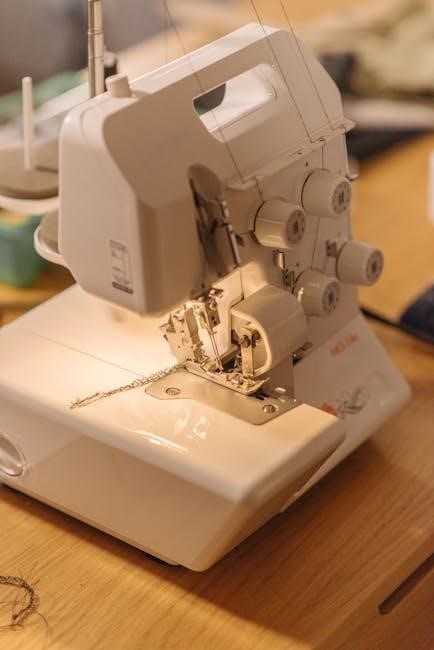
Digital manuals offer convenience and portability – easily accessible on computers, tablets, or smartphones. Searching is quick, and they don’t take up physical space. However, they require a device and can be prone to file corruption. Physical manuals, while bulky, are durable and don’t rely on technology. They offer a tactile experience and can be marked up for quick reference.
Ultimately, the best choice depends on your preference. Many users find having both a digital copy for searching and a physical copy for hands-on use is ideal, ensuring access regardless of circumstance.
Resources for Repair and Support
Beyond manuals, several resources exist for Singer sewing machine repair and support. Online forums, like those dedicated to vintage Singer machines, provide a wealth of knowledge from experienced users and technicians. Official Singer’s website may offer troubleshooting guides and FAQs. Local sewing machine repair shops offer professional servicing and parts replacement.
YouTube channels often feature tutorials on common repairs. Remember to exercise caution when attempting self-repair, and always prioritize safety. Utilizing these combined resources ensures your Singer machine remains in optimal working condition for years to come.